Last Orders at the Odeon: The Awkward Cinema Swan-Songs of Britain's Axed Sitcoms
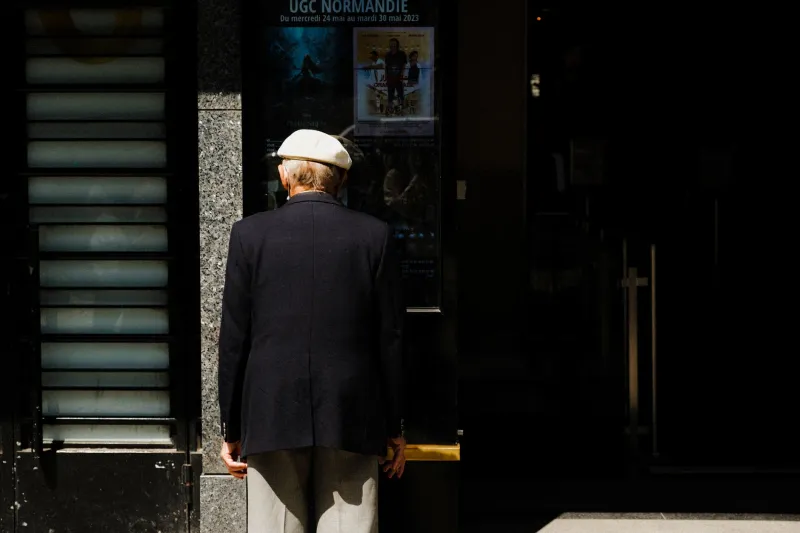
There is a particular kind of British film that exists in a no-man's-land between telly and cinema. It has the same characters, the same catchphrases and often the same cramped comic timing, but it arrives with a different ratio, a bigger poster and a theme tune that has been tarted up with strings. These are the sitcom spin-off films: the big-screen encores that turned cancelled or wobbling favourites into a night out at the pictures. They were never quite farewells, and they were rarely quite films either.
The usual story is that Britain said goodbye to its axed sitcoms by sending them to the cinema. The truth is messier. Some of these films were made while the series was still running, a cash-in rather than a wake. Others arrived after the final episode, giving a show one last burst of life in a format it was never designed for. Either way, the result was a strange reprieve: a feature-length episode with location shooting, a plot about a holiday camp or a bank job, and a cinema audience sitting in silence where the laugh track used to be.
The spin-off wasn't always a send-off
Take On the Buses. The film arrived in 1971 while the series was still very much alive, and it was followed by two more. Porridge reached cinemas in 1979, a couple of years after the television series had wound down, with Fletcher still banged up and the comedy of prison routine stretched to feature length. Are You Being Served? went to the pictures in 1977 at the height of its popularity, taking the Grace Brothers staff abroad. George & Mildred made it to cinemas in 1980, after the telly series had finished, and gave the Ropers a fresh set of neighbours to annoy.
That timing matters. These films weren't always a consolation prize for cancellation. Often they were a commercial calculation: a known title, a loyal audience, a quick shoot and a release timed for the school holidays. The cinema chains knew exactly who was coming. The sitcom spin-off was less a funeral than a victory lap — or, in some cases, a lap of honour taken while the show was still catching its breath.
Shot in six weeks, set in a holiday camp
The production realities left their mark. These films were made fast and cheap, often on studio sets that looked suspiciously like the television ones, with a few days of location work to justify the CinemaScope. The plots tended to involve a trip: a holiday camp, a foreign jaunt, a move to a posh house. The characters were lifted out of their usual habitat and dropped somewhere with more space for slapstick.
And then there was the laughter. Or rather, the lack of it. Television sitcoms of the period came with a laugh track or a studio audience, and the rhythm of the show was built around those pauses. In the cinema, the pauses were still there, but the canned laughter was gone. What remained was a curious silence — the sound of jokes waiting for a reaction that never quite arrives. It made these films feel exposed in a way the television episodes never did. The machinery of the sitcom was suddenly visible.
What the big screen did to the legacy
A cinema outing could do two things to a show's reputation. It could freeze the characters in amber, giving them a final image that wasn't really an ending: a coach pulling away, a closing gag, a freeze-frame. Or it could nudge the show into a broader, coarser version of itself, where the innuendo was a little more explicit and the stereotypes a little more worked over. Neither outcome was a clean goodbye.
That is what makes these films so awkward now. They sit between television nostalgia and lost-film obscurity. They are not quite part of the canonical run of episodes, so they get left out of box sets and streaming marathons. They are not quite British cinema either, so they rarely turn up in retrospectives of 1970s film. They are orphaned in the middle: too cinematic for the telly shelf, too telly for the film shelf.
The prints in the cupboard
Availability has not been kind. Some of these films trickled out on DVD years ago and now change hands for silly money. Others turn up occasionally on specialist channels or in archive screenings, often in prints that look like they have been round the projector a few times too many. The rights can be tangled between the television company, the film distributor and whoever inherited the library. The result is a strange gap in the record: the television series may be repeated endlessly, while the cinema version — the one that was meant to be the big occasion — is the harder thing to see.
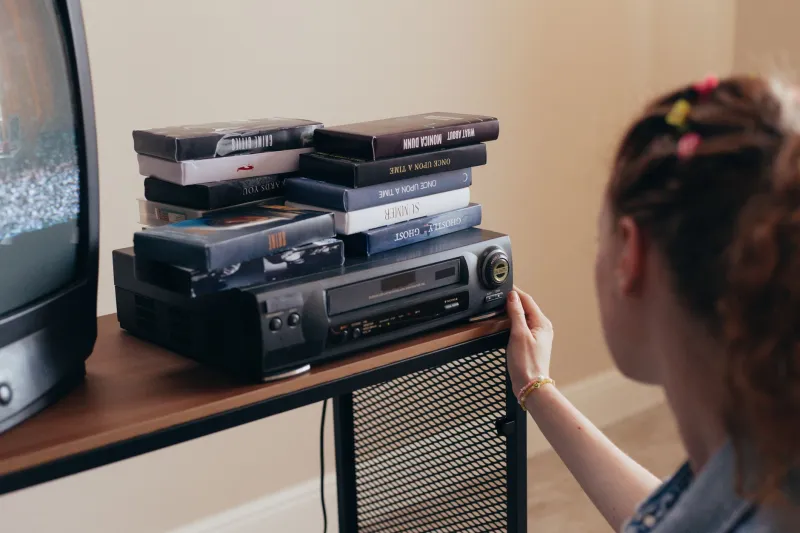
For anyone interested in preservation, these films are a useful reminder that 'lost' doesn't always mean wiped. Sometimes it means stranded: extant, watchable in theory, but stuck in a rights queue or a format that nobody has bothered to upgrade. The sitcom spin-off is a genre that falls between two stools, and it has been treated accordingly.
A very British way of saying goodbye
What these films reveal is that Britain used to say goodbye to its cancelled favourites by refusing to say goodbye properly. Instead of a final episode with a neat resolution, the characters were sent off on a coach trip, a holiday or a bank heist. The show ended, but the film offered a sort of afterlife — a last laugh that wasn't quite the last, and a closing credits sequence that felt more like a pause than a full stop.
That is why they still haunt the edges of British telly memory. They are the awkward relatives at the funeral: not quite part of the main event, but impossible to ignore. And for anyone who loves digging into the forgotten corners of the schedules, they are worth seeking out — not as great cinema, but as a peculiar record of how Britain used to let its sitcoms go. Badly, affectionately, and with a coach waiting outside.