The Audio Wardrobe: Cancelled UK Telly's Secret Radio Life
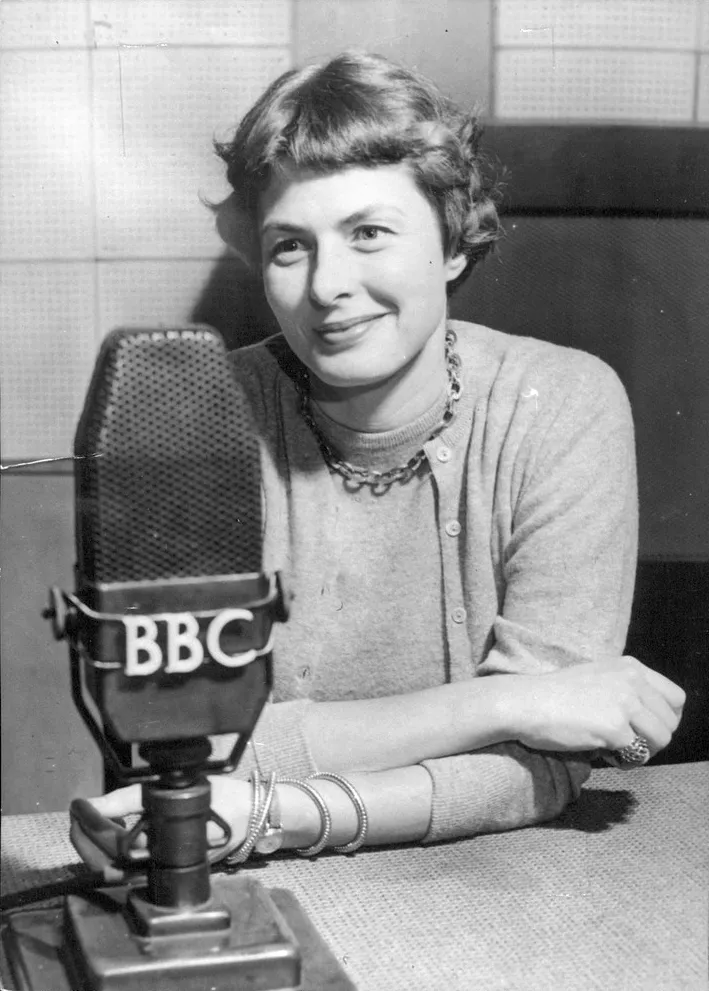
Photo: Unknown photographer, Public domain, via Wikimedia Commons
Turning on the radio after a favourite show has been cancelled can feel like visiting a house after the tenants have moved out. The rooms are the same, but the footsteps are missing. Yet for a surprising number of British TV characters, the wireless became a genuine second home — not a tribute act, not a clip show, but a place where scripts kept being written and familiar voices kept saying familiar things.
From living room to listening room
Radio was never the glamorous option. It was cheaper than telly, quicker than film, and kinder to actors who could turn up in costume without worrying about cameras. The BBC's radio comedy and drama departments also had form: they could take a successful TV format and strip it back to what mattered — the writing and the performances.
That is why the wireless afterlife is not just a curiosity for completists. For some fans, the radio version is the one that feels most alive. Without sets, you notice the pauses. Without reaction shots, you notice the timing. And without the TV scheduler breathing down a producer's neck, a cancelled show can sometimes sound more like itself than it did on screen.
The shows that made the move
The obvious starting point is Dad's Army. The TV series ran from 1968 to 1977, but the radio adaptations began in 1974 and continued into 1977, using most of the original cast and adapted TV scripts. They were recorded with an audience, which gives them a strange double life: you can hear the laughter, but you cannot see what prompted it. For listeners in 2026, that is part of the charm. The radio episodes are not a replacement for the TV originals; they are a parallel run, a chance to hear Mainwaring, Wilson and the rest doing the same business with a different set of tools.
Steptoe and Son made a similar journey. The TV sitcom about two rag-and-bone men was already a stage-like two-hander, so radio suited it. Across the late 1960s and 1970s, Wilfrid Brambell and Harry H. Corbett recorded radio versions of the scripts, keeping Harold and Albert bickering in a medium that could make their cramped yard feel even more claustrophobic. The radio series did not simply repeat the TV plots; it gave the performances a second airing and, in some cases, outlasted the TV run in the schedules.
Then there is the stranger end of the wardrobe. Doctor Who was cancelled by the BBC in 1989, but the character did not stay silent. In 1996, BBC Radio 2 broadcast The Ghosts of N-Space, a radio adventure starring Jon Pertwee as the Third Doctor alongside Elisabeth Sladen and Nicholas Courtney. It is not a TV episode you can watch with your eyes closed; it is a proper radio production, with sound effects and cliffhangers built for the ear. For fans who had spent the late 1980s watching the show slowly disappear, it was a reminder that the TARDIS could still materialise in unusual places.
A more recent example is Torchwood. After the TV series had its run, BBC Radio 4 broadcast original audio plays such as Lost Souls in 2008 and The Golden Age in 2009. These were not adaptations of existing episodes; they were new stories, written for radio, with the TV cast. That matters. It shows that the wireless afterlife is not only about nostalgia. Sometimes it is a genuine continuation, made because the characters still had somewhere to go.
Why listeners swear by the audio versions
There is a particular kind of fan who prefers the radio episodes, and they are not being contrary. Radio adaptations often preserve scripts that were cut or changed for TV. They can include lines that were trimmed for timing, or performances that were reworked for a live audience. And because radio episodes were often recorded quickly, they have a looseness that later TV revivals sometimes lack.
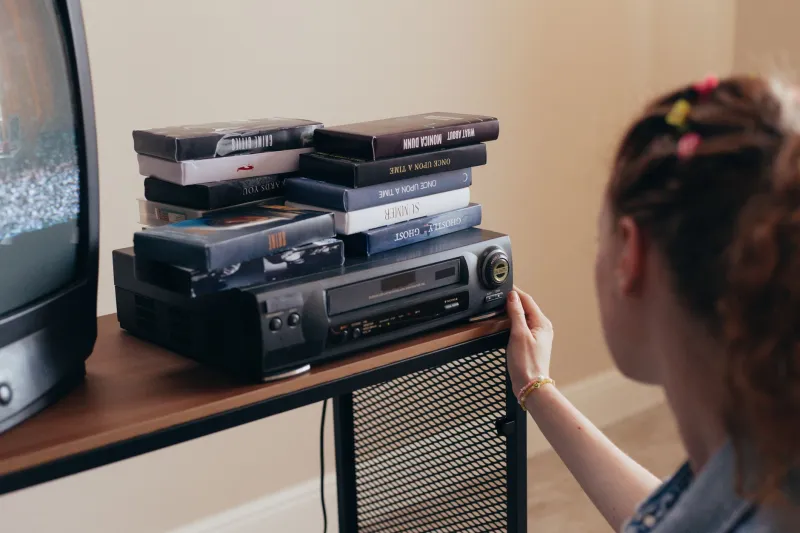
For shows with missing TV episodes, the radio versions can also feel like a bridge. They are not the same thing, but they are closer than a synopsis. A wiped TV episode leaves a gap; a radio adaptation leaves a voice. In preservation terms, that is not nothing.
Where to find them in 2026
BBC Sounds is the obvious first stop, though its catalogue rotates and not every radio adaptation is sitting there waiting. Search by series name plus 'radio' rather than assuming the TV version is the only one. Dad's Army and Steptoe and Son have had commercial audio releases over the years, and some episodes turn up in archive collections and library listening services. Doctor Who radio stories have been released on CD and digital audio, while the Torchwood radio plays have appeared on BBC platforms and in licensed collections.
The BBC Archive itself is worth a browse for context, even when full episodes are not streamable. Listings, scripts and production notes can tell you which radio episodes exist and which are lost. The British Library's sound archive is another port of call for researchers, though access is not the same as pressing play on your phone.
The catch: radio was wiped too
The wireless afterlife is not a complete resurrection. Radio recordings were also discarded, taped over or kept only as off-air copies. Some adaptations survive as fan recordings; others exist only as scripts. That means the rediscovery guide comes with a warning: not every audio episode is available, and not every available episode is official.
Still, the radio run is one of the most underrated corners of British TV history. It is where cancelled characters went when the cameras stopped, and where some of them found a second life that was quieter, cheaper and, occasionally, just as good. If you have worn out your DVD box set, try the audio wardrobe. The door is usually open.