The Tune Outlives the Show: Why Cancelled UK Telly Still Hums in Our Heads
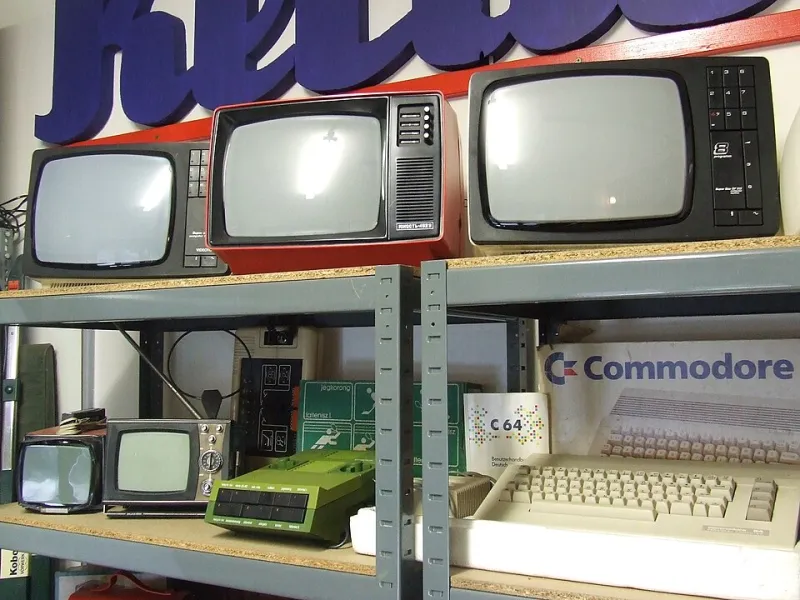
Photo: Christo, CC BY-SA 4.0, via Wikimedia Commons
You might not be able to name a single plot point from a cancelled kids’ show you watched after school in the 1990s. But play the first four bars of its theme tune and you are back on the sofa, school bag still on the floor, waiting for the continuity announcer to finish talking over the credits. That is the strange power of the TV theme. It is often the most durable thing a show leaves behind — a 30-second piece of music that survives when the episodes have gone out of circulation.
The opening credit as time capsule
Title sequences were made to be memorable, but they were also made separately from the episodes themselves. That matters for survival. A theme tune can exist on a music cue sheet, a composer’s demo, a library tape or a fan’s off-air recording long after the programme masters have been wiped, mislaid or locked away. Sometimes the theme was released as a single. Sometimes it turned up on a compilation album of TV music. Sometimes it was reused as a continuity sting years later, which is how a cancelled show can suddenly reappear in a bank holiday trailer.
The opening credits also carry information. They tell you who made the show, who starred in it and what mood it was aiming for. For a rediscovery site like Lost Shows, that is gold dust: a title sequence can confirm a cast list, a production company and a transmission era in one go.
Synth, strings and Saturday mornings
British telly has a particular genius for earworms. The synthy kids’ TV theme is its own genre: bubbling arpeggios, a drum machine that sounds like it was programmed by a robot with a sugar rush, and a logo that zooms in just as the chorus hits. Then there are the moody drama idents — strings, a slow pan across a council estate, a saxophone that somehow means “this is going to be serious”.
Those tunes outlive the shows because they were designed to be repeated. They were the bit that played over the trailer, the bit that got parodied, the bit that a generation can still hum in the queue for a coffee. A cancelled show might lose its slot, its repeats and its DVD release, but the theme tune can keep going in adverts, club nights and YouTube compilations.
Why the tune outlives the tape
There is a technical reason why theme tunes are often the last survivors. Music was frequently handled separately from the episode edit. A composer might keep their own copy. A music library might hold the master. A fan might have taped the opening credits on a whim. When the episode itself is missing, the theme can still be there — a small, complete artefact of a show that otherwise exists only in memory.
That is not the same as preserving the programme, of course. A theme tune cannot tell you what happened in episode four or why the main character suddenly had a different job in series two. But it can act as a doorway. Plenty of rediscoveries start with a tune: someone uploads a crackly title sequence, another person recognises the font, and suddenly a forgotten series has a name again.
Memory as rediscovery
Fan uploads and continuity links do a lot of quiet preservation work. A 20-second clip of an opening credit can be enough to identify a show that has been puzzling someone for years. The comments underneath become an impromptu archive: “I remember the theme but not the show”, “This was on after the regional news”, “My mum had it on while she ironed”. Those memories are not evidence in the strict sense, but they are leads.
In 2026, the digital attic is bigger than ever, but it is still messy. Theme tunes sit alongside home videos, ad breaks and continuity announcements, waiting to be matched to a half-remembered series. The joy of rediscovery is often not finding a complete run of episodes. It is finding the theme, and realising you have not imagined the whole thing.
The last artefact
A great theme tune is not a substitute for a lost show. But it is a survivor, and sometimes it is the only survivor we have. It keeps the memory warm until the next tape turns up. So next time an old opening credit lodges in your head, do not fight it. Hum it, search it, post it. You might be the person who brings a cancelled show back into circulation — one bar at a time.