The Death Slot Diaries: Twelve Cult UK Shows Sabotaged by the Scheduler
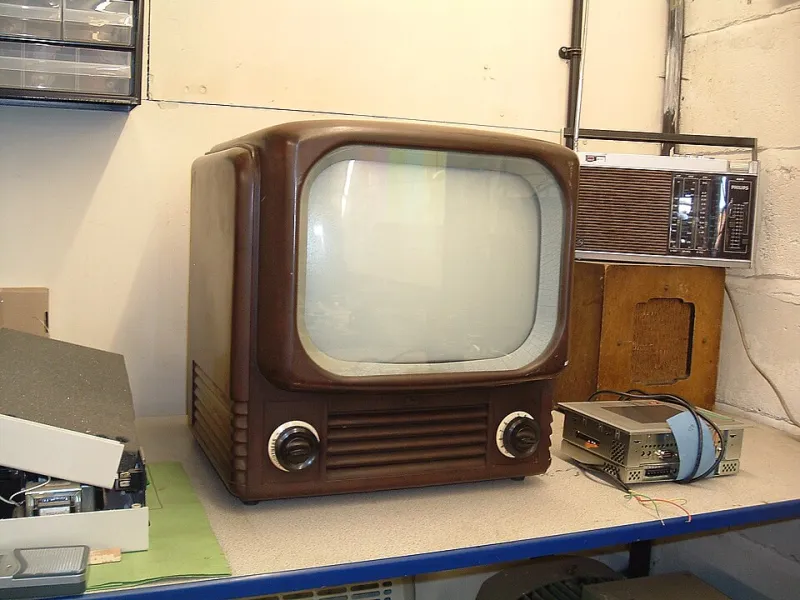
Photo: electromechanic812291, CC BY 2.0, via Wikimedia Commons
Some shows are cancelled by a bad review. Some by a budget cut. And some are quietly strangled by a scheduler who puts them on at 11:40pm opposite the snooker. In the age of the on-demand menu, the idea of a death slot can feel quaint. But for decades, British telly’s weirdest, sharpest and most beloved cult shows were buried by the listings page. Here are twelve that still sting.
1. Garth Marenghi's Darkplace (Channel 4, 2004)
A spoof horror anthology written by a deluded novelist and performed with the straightest of faces, Darkplace was never going to be a 9pm ratings smash. Channel 4 tucked it away late, where it found the people who would quote it forever. The slot did not create the cult; it simply made sure only the curious would find it.
2. Monkey Dust (BBC Three, 2003-2005)
Dark, animated and frequently brilliant, Monkey Dust was the kind of show that could only thrive after dark. BBC Three’s late-night schedules gave it room to be bleak and strange, but they also ensured it was never part of the national conversation in the way a prime-time sketch show might have been. Fans still trade episodes like contraband.
3. 15 Storeys High (BBC Three, 2002-2004)
Sean Lock’s tower-block sitcom was slow, sad and quietly hilarious. It was also scheduled like a secret. Buried on BBC Three, it built a small, devoted following but never got the repeat life that turns a cult show into a staple. The DVD eventually arrived; the mass audience did not.
4. Look Around You (BBC Two, 2002)
A parody of ancient schools programming, complete with terrifying maths and nonsensical science, Look Around You was too odd for a warm slot and too clever for a dumb one. It landed late, where its deadpan weirdness could be discovered by insomniacs and students. That feels right, somehow.
5. The Armando Iannucci Shows (Channel 4, 2001)
Before The Thick of It, Iannucci made this gloriously strange sketch series. Channel 4 gave it a late berth, which meant it missed the office-watercooler crowd and went straight to the people who would tape it. It is a reminder that a bad slot can also be a filter: only the committed stay up.
6. Big Train (BBC Two, 1998-2002)
Big Train had a devoted following and a surreal streak that didn’t exactly scream family viewing. Its late-night placements helped it become a cult, but they also kept it on the margins. The sketches travelled further than the series ever did, which tells you something about scheduling.
7. Black Books (Channel 4, 2000-2004)
Friday nights can be a gift or a graveyard. Black Books often felt like the latter: a sitcom about a misanthropic bookshop owner, scheduled when people were either out or falling asleep. It survived three series on charm and word of mouth, but it never had the cushy slot that might have made it a mainstream hit.
8. Spaced (Channel 4, 1999-2001)
Spaced is now a sacred text for a certain generation, but it was not treated like one at the time. Its Friday-night placement and cult appeal meant it grew through repeats and DVD rather than live audiences. The show’s pop-culture fluency made it feel like it was already speaking to a niche; the schedule agreed.
9. Night and Day (ITV, 2001-2003)
A soap with a surreal streak and a catchy theme, Night and Day was moved around like a piece of furniture. ITV shuffled it, late-nighted it and eventually axed it. Fans still argue about where it could have gone if it had been allowed to settle. The slot was not the only problem, but it was certainly an accomplice.
10. Eldorado (BBC One, 1992-1993)
Launching a five-night-a-week soap is brutal at the best of times. Eldorado was thrown into a punishing early-evening slot and expected to bed in immediately. It became a punchline, then a cult curiosity. The show was hardly flawless, but the schedule gave it no room to find its feet.
11. The Adam and Joe Show (Channel 4, 1996-2001)
Toy parodies, lo-fi sketches and a chemistry that felt like a secret handshake: Adam and Joe were never going to be primetime royalty. Channel 4’s late-night slots suited them, but they also kept the show in a cult box. It is the sort of series that would have been recommended by a friend, not a billboard.
12. The Book Group (Channel 4, 2002-2003)
A Glasgow-set comedy about a book group full of people who mostly want to talk about themselves, The Book Group was dry, awkward and very funny. It was scheduled in the kind of late slot where subtlety goes to die. It lasted two series and left a small, devoted fanbase wondering what might have been.
Does streaming kill the death slot?
In 2026, the old 9pm battleground matters less. You can watch a cancelled show at 3am, on a train, or while pretending to work. That should be good news for the lost and overlooked. But streaming has its own death slots: buried tabs, algorithmic drift, rights limbo and the fact that if a show was never digitised, it may as well not exist.
The death slot never really disappeared. It just changed shape. The consolation is that a show no longer has to win its first night. It can be found later, by someone who was not even born when the scheduler made their call. That is the small mercy of the on-demand era, and it is worth raising a remote control to.