Nine Pilots, One Broadcast, No Second Chance: The UK Telly One-Offs That Still Haunt Us
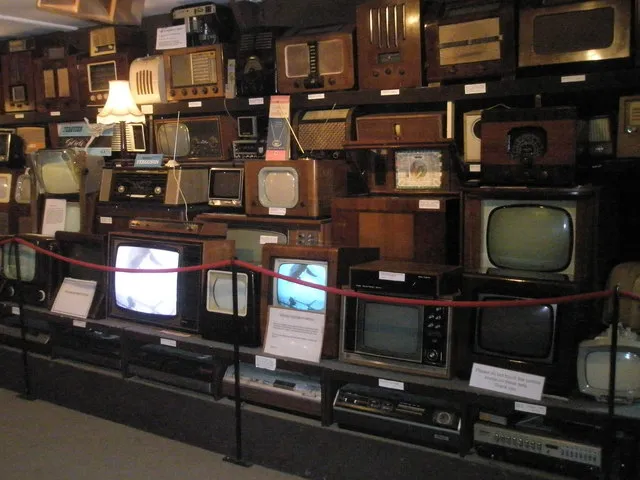
Photo: Basher Eyre, CC BY-SA 2.0, via Wikimedia Commons
There is a particular kind of TV ghost: the pilot that actually made it to air, ran once, and then evaporated. No series order, no DVD box set, no convenient iPlayer shelf. Just a listing in the Radio Times, a hazy memory, and a fan forum thread that refuses to die. These are not simply failures. They are orphaned episodes, and in 2026 they feel more poignant than ever, because streaming has trained us to expect everything to be available forever.
So let us raise a glass to the one-night stands of British television. Some were oddball sitcoms, some were ambitious sci-fi, some were simply the wrong idea at the wrong moment. All of them took a swing. Here are nine pilots and one-episode wonders that aired once and were never seen again, or at least never seen in the form their makers intended.
The Incredible Robert Baldick (1972)
A BBC pilot with a title that sounds like a lost Victorian penny dreadful, this one promised a weekly investigator with a taste for the strange. It aired once, according to the surviving paperwork, and then the trail goes cold. What lingers is the ambition: a period-adjacent mystery with a theatrical streak, made at a time when British telly still believed a pilot could be a calling card. Fans trade synopses like samizdat. The tape may survive in an archive; the series never did.
Doctor Who: The Movie (1996)
Yes, it counts. Paul McGann's Eighth Doctor got one television outing as a backdoor pilot, a co-production gamble that was meant to relaunch the franchise for a new generation. It aired, it was watched, it was debated, and then nothing. The irony is that this one-off has had a longer afterlife than many full series, with novels, audio adventures and a devoted following keeping McGann's Doctor alive. It is the ultimate one-episode wonder: a pilot that became a cult text precisely because the door was slammed shut.
Heil Honey I'm Home! (1990)
Not technically a pilot, but a one-episode wonder in the purest sense. This notorious sitcom about Adolf Hitler and Eva Braun living next door to a Jewish couple aired a single episode before being pulled. It is easy to mock, and plenty have. But as a piece of television risk-taking, it is fascinating: a broadcaster allowed a genuinely bizarre premise to reach the screen, then thought better of it. The episode survives as a cautionary tale, but also as evidence that UK telly once let strange ideas through the gate.
The Breadwinner (1965)
The Comedy Playhouse strand was a pilot factory, and not every experiment graduated to a series. This mid-sixties entry, a domestic comedy with a sharp eye for office and family life, aired once and then disappeared into the scheduling ether. It is the kind of lost pilot that historians love: not glamorous, not notorious, just a working example of how many ideas were tested on British audiences. Somewhere, a script sits in a filing cabinet, waiting for a revival that will never come.
The Frighteners (1972)
A paranormal-investigation pilot that promised weekly chills and probably delivered a few, this one aired once on ITV and then vanished. The details are frustratingly thin, which is part of the appeal. Fans of British horror telly cite it as a missing link between anthology chillers and the later boom in weird-fiction programming. If a copy exists, it is the sort of thing that would make a preservationist weep with joy. For now, it lives in episode guides and wishful thinking.
The Last Resort (1986)
A Channel 4 comedy pilot set in a crumbling seaside hotel sounds like the sort of thing that should have run for three series. Instead, it got one airing and a shrug. The premise is pure British sitcom: failure, faded grandeur, and people pretending things are fine. It is tempting to imagine the series it could have become, but the pilot itself is the artefact. It captures a mid-eighties mood, all neon and damp carpet, and then politely exits.
The Long Tomorrow (1979)
A science-fiction one-off that aimed for big ideas on a BBC budget, this pilot imagined a near-future Britain shaped by energy shortages and social control. It aired once and was never picked up. The ambition is what matters: British sci-fi telly has always been at its best when it is slightly too clever for its own good. This one belongs in that lineage, a cousin to the bleaker strands of Blake's 7 and Survivors, even if the series never materialised.
The Mating Game (1971)
Another Comedy Playhouse hopeful, this one a battle-of-the-sexes sitcom that never found a slot. It aired once, got a few reviews, and then became a footnote. What is interesting is how many of these pilots were about ordinary people trying to get on: work, marriage, neighbours, the whole messy business. They were not all classics, but they were a testing ground for the national mood. This one is a reminder that cancellation is often less dramatic than we imagine. Sometimes a show just does not get a second week.
The Glam Metal Detectives (1995)
A BBC sketch-and-music pilot that was too weird to live and too strange to forget, this one aired once before the plug was pulled. It had the energy of a student revue that had somehow got access to a camera and a costume department. In the years since, it has become a cult reference point for anyone who remembers mid-nineties telly trying to be alternative. It is not a lost masterpiece, but it is a lost mood, and that is often more valuable.
Why these orphans matter
What do these one-off pilots reveal about UK TV taste? Mostly that British telly has always been a gamble. A pilot is a bet on an audience, and not every bet pays out. Some shows were too odd, some too ordinary, some simply unlucky. But the fact that they aired at all is worth celebrating. They are the evidence of a system that once let ideas breathe for half an hour before deciding whether to commit.
For fans, the appeal is obvious. A lost pilot is a puzzle with a human face. It is a closed door, and closed doors are irresistible. The scripts, fragments and memories that survive are not just trivia; they are the raw material of a shared culture. Preservationists keep the tapes; fans keep the legends. Both are doing the same work: refusing to let a single night of television disappear without a fight.
So next time you scroll past a streaming library full of endless, algorithmically renewed series, spare a thought for the one-episode wonders. They took a chance. They aired once. And somehow, decades later, we are still talking about them.