The Skip-Divers of British TV: How VHS Hunters Are Saving Cancelled Shows
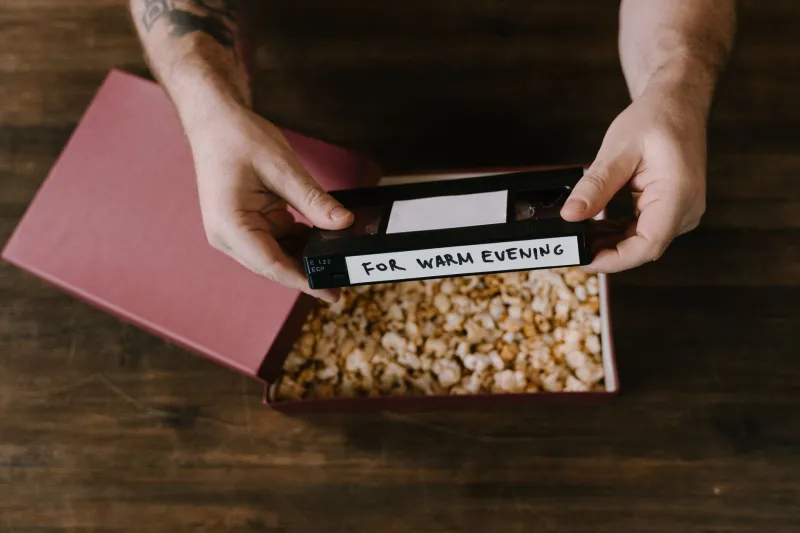
There is a particular smell to a carrier bag of old VHS tapes. Plastic, dust and possibility. For a certain kind of British telly fan, that smell is the smell of a rescue mission. In 2026, with streaming catalogues packed but still full of gaps, the most exciting archive is not always a corporate vault. Sometimes it is a box marked ‘car boot, 50p’ at the back of a garage.
Why tape still matters
A lot of cancelled British TV never made it to DVD, let alone streaming. It aired once, maybe twice, and then vanished. For those shows, an off-air VHS recording can be the only copy left in circulation. Those tapes are not just episodes. They are continuity announcements, adverts, idents and the accidental texture of watching telly in 1987. They are history with the dust left on.
This is why the VHS underground has kept going while formats have come and gone. Fans trade rips, compare tape generations and argue about tracking lines. They upload fragments to YouTube, share private links and send hard drives through the post. It is not glamorous. It is often fuzzy. But it is preservation by people who care enough to do the boring bits.
The rescue network
The network is loose and mostly friendly. Charity shops, car boot sales and house clearances are the front line. So are family lofts, where a box of tapes has been sitting since someone upgraded to DVD. Online, you will find forums, Discord servers and Facebook groups where collectors swap wants lists and compare finds. The British TV archive charity Kaleidoscope and events like Missing Believed Wiped have long championed this kind of fan-led recovery, and their work has helped make tape hunting feel less like a lonely hobby and more like a public service.
YouTube is the shop window. A full episode might stay up for years, or it might disappear after a rights claim. Either way, the upload can act as a beacon: it proves the episode exists, it puts it on the radar of people who remember it, and it often leads to someone else saying, ‘I have a better copy than that.’
The rights headache
Here is the awkward bit. Owning a tape is not the same as owning the show. UK copyright law is not a magic wand you can wave over a VHS rip, and ‘it was never released on DVD’ does not automatically make an upload legal. Fair dealing has narrow exceptions for criticism, review, quotation and similar uses, but it is not a blanket licence to put full episodes online. Anyone who tells you otherwise is probably selling something.
The practical result is a scene built on etiquette as much as law. Many collectors keep full episodes private, share research publicly and point people toward official releases where they exist. Others upload cautiously and take things down when asked. The best parts of the community do not profiteer, do not claim other people’s finds as their own and do not ignore a polite request from a rights holder. It is a fragile ecosystem, and everyone knows it.
Practical tips for would-be lost-TV hunters
If you want to join the hunt in 2026, start small. Label every tape you find before you play it. Check the spine, the handwritten note and the first few minutes for channel idents and adverts. A tape that looks like a dull documentary might contain a lost children’s show, a regional news bulletin or a trailer for something nobody has seen in decades.
Use a decent VCR and a capture card rather than filming the screen with your phone. Clean the heads, track the picture as best you can and capture at the highest quality your setup allows. Keep the raw file as well as the edited version. Do not throw the tape away after digitising it: the physical object is part of the record.
Before you upload, do some research. Search the title, the transmission date and the channel. Ask in a forum. Someone may already have a better copy, or know that an official release is coming. If you do share, credit the source tape and the people who helped identify it. And if a rights holder asks you to take something down, take it down. The aim is to save telly, not to start a fight.
The thrill of the find
The best finds are rarely glamorous. They are the episode with the original adverts intact, the regional continuity that nobody thought to keep, the pilot that was wiped by the broadcaster but survived on a fan’s tape. The thrill is not just seeing the show. It is knowing that someone, somewhere, pressed record when nobody else did.
That is the romance of the VHS underground. It is a messy, legally complicated, deeply nerdy corner of British telly fandom, and it is keeping cancelled shows alive one tape at a time. If you have a box in the loft, have a look. You might be sitting on the only copy left.