The Bookend Problem: When a British Show's First and Last Episodes Outlive the Middle
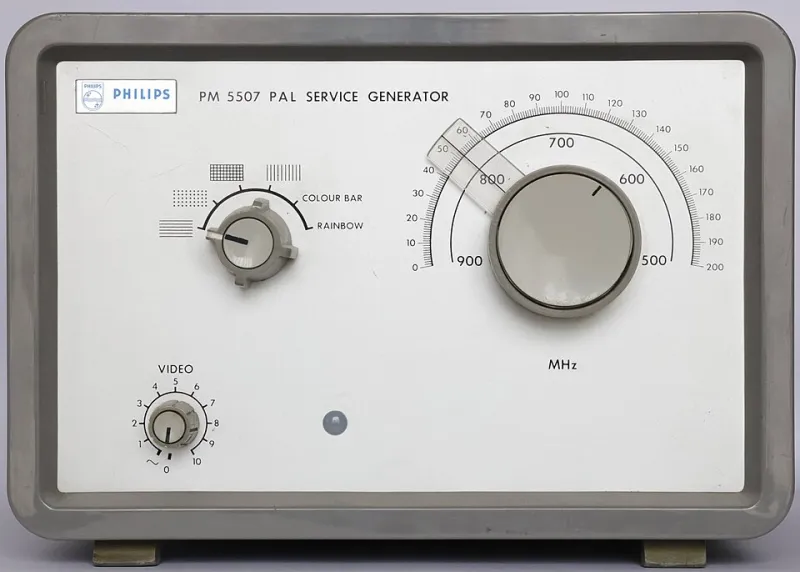
Photo: Alex P. Kok, CC BY-SA 4.0, via Wikimedia Commons
Imagine settling down to rediscover a cult British series. The pilot is there, looking crisp enough. The finale is there, complete with end credits and a nagging sense of closure. And the twenty episodes in between? A void. No tapes, no repeats, no streaming copies. Just a gap where the show actually lived.
This is the bookend problem: a strange pattern in UK television archives where a programme's first and last breaths survive, but the stuff in the middle has been wiped, lost or scattered. It happens more often than you'd think, and it tells us a lot about how British telly was made, kept and thrown away.
The pilot that won't die
Pilots and first episodes were often treated as special. They were the sales pitch, the proof of concept, the thing you showed to a controller or an overseas buyer. A pilot might be kept as a sales tape or a press screener, filed away in a different cupboard from the regular run. Sometimes the first episode was deposited with a library or broadcaster as part of the paperwork. It survived because it had a job to do beyond being watched on a Tuesday night.
That's why you'll sometimes find a 1960s pilot looking suspiciously well-preserved while episode four of the same series is a ghost. The first episode was the shop window. The rest were the stock.
The finale that got filed
Finales had their own reasons to survive. The end of a run generated paperwork, press attention and sometimes a sense of occasion. If a show was cancelled, the last episode might be kept as a record of what was cancelled. If it ended on a high, it might be repeated or sold abroad. Later in the 1970s and 1980s, retention policies tightened and more was kept, so a long-running show's final years often survive better than its early middle.
There's also a simpler truth: finales are recent by definition. The last episode of a show that ran from 1965 to 1978 is closer to the era when wiping stopped being routine. The first episode might have been kept as a curiosity. The last one was kept because nobody had got round to binning it yet.
Why the middle goes missing
The middle is where the cost lives. Every episode needed storage, and tape was expensive. In the 1960s and 1970s, broadcasters wiped tapes to reuse them, especially for programmes they thought had no future. Repeat fees, union agreements and the sheer volume of material all played a part. Why keep twenty episodes of a comedy when you could keep the pilot and the finale and reuse the rest?
There were also practical accidents: fires, floods, mislabelled cans, tapes lent out and never returned. A show's middle could disappear in pieces, episode by episode, until only the bookends remained.
The Doctor Who exception that proves the rule
Doctor Who is the obvious example. The first episode, An Unearthly Child, exists. The final classic-series episode, Survival, exists. And 97 episodes from the middle are still missing. That's not because the BBC deliberately saved the edges and binned the centre, but because survival was patchy and often arbitrary. Some episodes were sold abroad, some were kept for repeat, some were wiped. The result is a show that looks complete at the start and end and hollow in the middle.
Other British series have similar shapes. Till Death Us Do Part and Z Cars both have gaps that fall unevenly across their runs. The pattern isn't universal, but it's common enough to be a recognised hazard of TV archaeology.
What fan reconstructions do with the gap
This is where Lost Shows gets interesting. Fans have become very good at rebuilding missing middles from fragments: off-air audio recordings, scripts, telesnaps, production photos and the bookends themselves. A surviving pilot gives you the look and the tone. A surviving finale gives you the endpoint. The middle has to be inferred, stitched together from what's left.
Reconstructions are not the same as finding the tapes. But they keep the shape of a show alive, and they remind us that a series is more than its first and last episode. The middle is where the characters grew, where the running jokes landed, where the format either worked or fell apart.
The lesson for preservation
The bookend problem is a warning. If we only celebrate pilots and finales, we risk repeating the mistakes of the past. A show's value isn't just in how it started and how it ended. It's in the long, messy middle that nobody thought to keep.
So next time you find a pilot and a finale on a dusty DVD or an archive site, don't skip the gap. Ask what was there. Ask who's looking for it. The answer is often the most interesting part of the story.