Not Missing, Just Mothballed: The British Shows Sitting in Rights Limbo
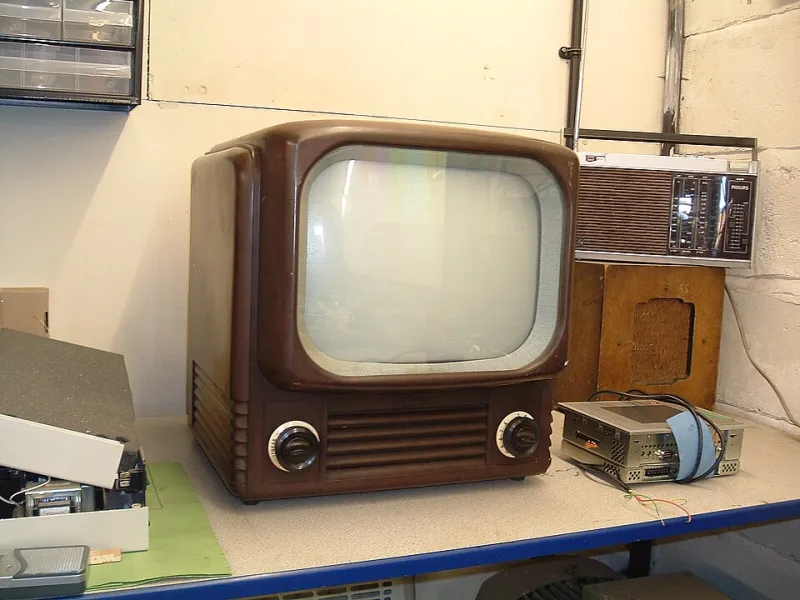
Photo: electromechanic812291, CC BY 2.0, via Wikimedia Commons
Here at Lost Shows, we spend a lot of time chasing things that have vanished. Wiped tapes. Overseas-only prints. The episode that survives only as a fuzzy off-air audio reel. But there is a stranger corner of telly history: programmes that are not lost at all. They sit in the archive, catalogued and cared for, and still cannot be shown. Call them locked.
Lost is a fact. Locked is a decision.
Lost means no copy is known. Locked means a copy is known, sometimes several, but a broadcaster, rights holder or archive will not put it out. The reasons are rarely sinister. Music clearances, contributor consent, defamation risk, a legal injunction, or simple reputational fear. The result is the same: a title you can read about, maybe hear about, but not watch.
That distinction matters. A missing episode is a gap in the record. A locked episode is a gap in access. The tape is safe. The door is shut. For anyone who loves digging through TV history, the second category can be more frustrating than the first, because you know the thing is there.
The reputational vault
Some shows are effectively sealed by their own reputation. The BBC holds material from Jim'll Fix It, but do not expect a retro slot. Top of the Pops repeats on BBC Four have long had to navigate episodes featuring presenters and performers who are now toxic. The Black and White Minstrel Show exists in part, but no UK channel is going to schedule it in 2026. These are not preservation failures. They are choices about what a broadcaster wants to be associated with. You can argue about where the line sits, but you cannot pretend the line is not there.
That is the uncomfortable truth about the unrepeatable vault. It is not just a legal cupboard. It is a reputational one. A show can survive in perfect condition and still be unbroadcastable because the culture around it has moved. Archivists can keep the tape. They cannot make a channel want to air it.
Rights purgatory is the bigger pile
Music is the classic blocker. The Tube, Ready Steady Go! and Old Grey Whistle Test repeats can be held up by clearances for a few seconds of a song. The Goodies had a long, messy rights journey before DVD releases, and repeats remain rare. When people say a show is lost, check first whether it is simply unlicensed. A wiped tape is gone. A tape with a contractual knot around it is still there, waiting for a lawyer.
Rights limbo is less dramatic than a bonfire of tapes, but it is just as effective at keeping programmes out of view. A single contributor contract, a music cue, a writer's estate, a co-production agreement: any one of them can park a series for decades. The archive does its job. The rights do not.
The injunction file and the consent problem
Outright legal bans are rare but not mythical. The War Game was made for the BBC in 1965 and withheld from broadcast until 1985; it is now available, which shows vaults can open. More common are quiet blocks: a contributor who never consented to later use, a privacy concern, a defamation risk that no one wants to test. Those cases rarely make headlines. They just mean the programme sits there.
Consent is the softer lock. People who appeared in a show in 1978 may not want it repeated in 2026. That is their right. But it can leave a series in a strange half-life: preserved, documented, occasionally screened to researchers, but never given a proper public airing. Fans sometimes read that as cowardice. It is usually something more mundane: a duty of care, a legal letter, or a risk assessment nobody wants to sign off.
What can fans and archivists do in 2026?
First, stop calling everything lost. Not currently available is not the same as does not exist. That distinction matters when you are asking an archive or a rights holder for help.
Second, use the legitimate doors. The BFI Mediatheque, the BBC Archive, Missing Believed Wiped and Kaleidoscope are not just nostalgia clubs; they are the infrastructure of rediscovery. A screening request, a research enquiry or a well-argued article can move a title up the queue.
Third, do not expect a DVD. For locked shows, the realistic outcome is often a one-off cinema screening, a festival slot or academic access. That is still a win. A title that is seen once in public is no longer invisible.
Fourth, support the archive. The BFI National Archive and the regional film archives do the unglamorous work. If you want more of this stuff to survive, fund the people who store it, catalogue it and fight for it.
Preservation is not publication. Archivists can store, conserve and catalogue without clearing rights, and that is exactly why locked shows are not an archive failure. The archive keeps the thing. The broadcaster decides whether to show it. In 2026, those two jobs are more separate than ever.
The cold comfort
Some of these programmes will never be repeated in our lifetimes. That is not a failure of preservation; it is a different kind of absence. The tape is safe. The door is shut. The best thing we can do is keep asking, politely and specifically, and remember that locked is not the same as gone.